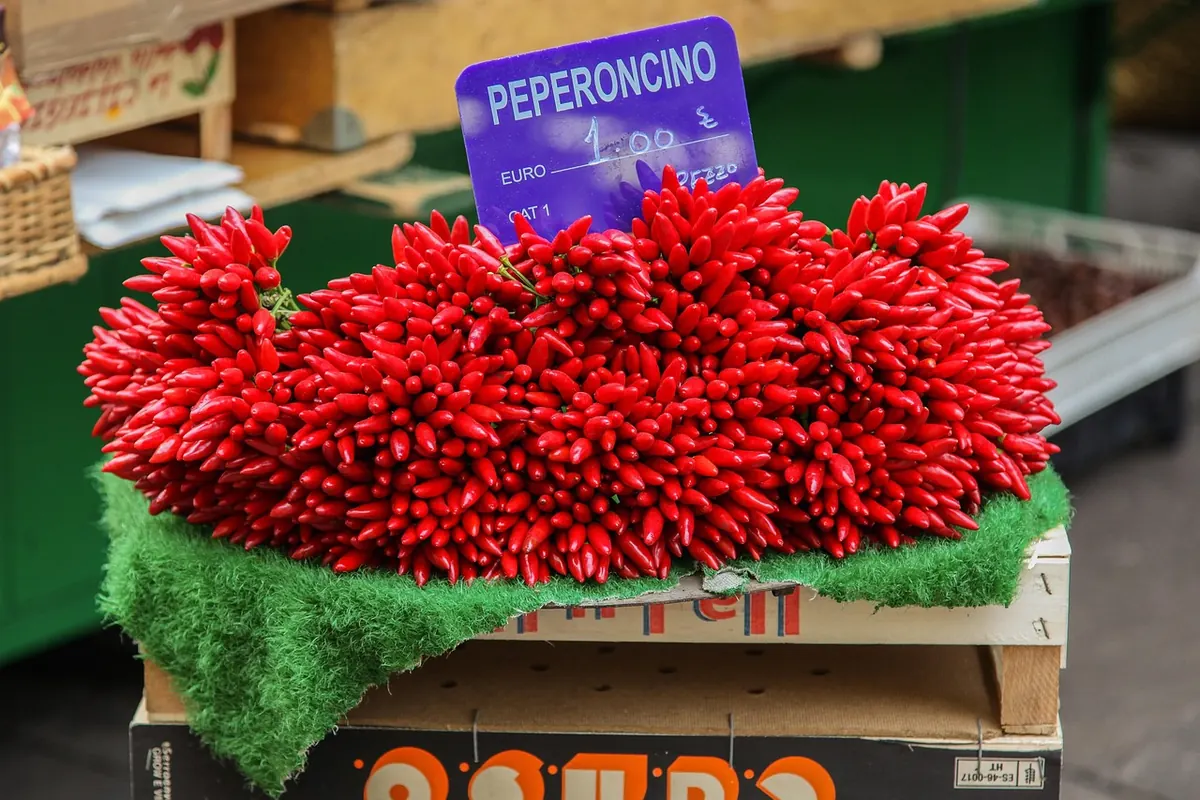
Southern Italy does not keep one tidy market calendar. A citrus grove outside Catania, a hill plot in Campania and a stall in Bari can be weeks apart, and a cold spring delays everything. The broad rhythm is still reliable. Winter is citrus, brassicas and fennel; spring brings artichokes, peas and wild greens; summer belongs to tomatoes, peppers, aubergines and stone fruit; autumn returns to figs, grapes, olives and cabbage. Use this checklist as a buying guide, not a rulebook. The produce in front of you matters more than the date on the page: firm, heavy, fragrant, and grown close enough to have travelled a short distance.
Each month below lists what is usually worth looking for in southern markets, from Campania and Puglia down to Calabria and Sicily. Coastal areas run earlier; inland and higher ground runs later. Treat the lists as overlaps, not switches. A few habits make seasonal shopping easier:
Deep winter in the south is mild enough for leafy greens and brassicas, but it is also the height of citrus. This is the season to buy oranges by the crate, eat fennel raw when it is crisp, and braise the bitter greens that balance the sweetness of the fruit.
Use them simply. Roast cauliflower with olive oil, garlic and chilli until the edges brown. Slice fennel thinly, dress it with lemon, salt and good oil, and serve it beside something rich. Braise artichokes with garlic, parsley and a splash of water until the leaves pull away easily. For citrus, do not overwork it: juice oranges for breakfast, segment mandarins for a salad with fennel, and use lemon zest anywhere you want a sharper finish.
Spring is short and busy. The market moves from artichokes and broad beans to cherries and early peaches, while the first tomatoes appear in late June. This is the moment to cook lightly and let sweetness do the work.
Asparagus needs little more than a hot pan, olive oil and salt. Peas and broad beans are good with spring onions and a little mint, or tossed through pasta with grated cheese. Courgette flowers can be stuffed, fried or simply laid over a frittata. When the first tomatoes arrive, resist cooking them for a week: slice them, salt them, add basil and olive oil, and eat them with bread. You will know when they are ready for sauce.
This is the most abundant stretch of the year, and also the hottest. Shopping early matters. So does keeping meals short. Tomatoes, peppers and aubergines are at their peak, and stone fruit is cheap enough to eat at every meal.
Use them simply. Make a tomato salad with salt, oregano and olive oil, and let it sit for ten minutes before serving. Grill aubergines until soft, then dress them with lemon and parsley. Roast peppers over a flame or under a hot grill, peel them, and keep them in oil in the fridge for two or three days. Courgettes can be sliced thin and eaten raw with lemon and salt, or grilled and layered with basil. Melon and figs need nothing more than a knife.
The market turns. Figs and grapes are still around, but pears, quinces, pomegranates and persimmons arrive, and the first cabbages and artichokes signal the cooler months. Tomatoes are now for sauce rather than salads.
Use them simply. Cook tomatoes down with garlic and olive oil for a sauce that will keep in the freezer. Roast peppers and aubergines while the oven is on, then eat them warm or at room temperature. Sauté mushrooms with garlic and parsley, and add them to toast or pasta. Pumpkin is good roasted in chunks or simmered into a thick soup with onions and a little chilli. Pomegranate seeds lift a salad of bitter greens; quince can be baked slowly until it turns pink and soft.
December is a bridge month. The citrus season is in full swing, the cabbage family is dependable, and nuts and dried fruit remind you that the year’s abundance has been put away.
Use them simply. Braise cabbage with olive oil, garlic and a little vinegar until soft and sweet. Slice fennel and orange together for a clean winter salad. Leeks and spinach make a good soup with potatoes and a crust of bread. Artichokes can be cooked in the same way as in spring, but they often need a little longer. Keep a bowl of mandarins on the table; they are the easiest dessert in the house.
A seasonal checklist is useful only if it changes what you do. Keep a short list on your phone or by the door, and leave room for what looks good. Plan two vegetable dishes and one fruit for the next few days, not a full week of menus. When you get home, wash and dry the greens, trim the artichokes, and roast any peppers or aubergines you will not use within a day or two. Cooked vegetables keep better than tired raw ones.
If you preserve tomatoes, cure olives or jar vegetables at home, follow reliable food-safety guidance rather than a family shortcut. The same goes for any unfamiliar wild green: buy or gather only what you can identify with certainty. The point of eating this way is not austerity. It is the pleasure of buying what is at its best, cooking it without fuss, and noticing how the table changes from month to month.
Photo: SeppH / Pixabay