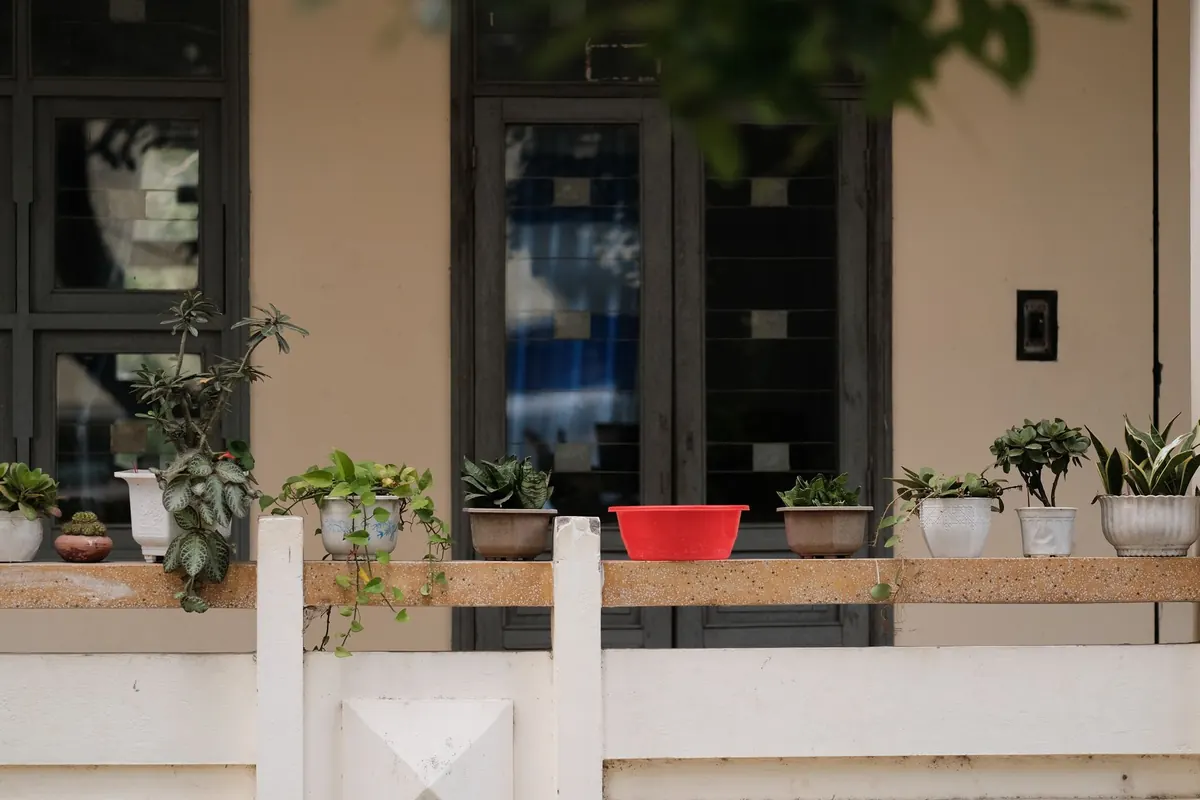
A balcony in February tells you a lot. The pots are frozen solid, the watering can has split, and whatever was lush in July is now a brown tangle against the railing. It doesn't have to be that way. A balcony of four or five square metres can produce herbs through the winter, salads in spring, tomatoes in August, and still have something worth looking at when the light goes grey. The trick is not cramming in more plants. It is planning for four seasons before you buy the first bag of compost.
Before choosing a single plant, spend a few days watching your balcony rather than browsing plant catalogues. You need three pieces of information, and none of them are on a plant label.
Light. Note where the sun falls at breakfast, at midday, and at four in the afternoon. A balcony facing south or west on an upper floor can be fierce enough to scorch leaves by July, while a north-facing balcony may give you two hours of weak light in December. Fruiting crops such as tomatoes, chillies and strawberries generally want six hours of direct sun. Leaf crops, mint and chard will manage on considerably less.
Wind. Upper floors and open corners dry out fast. A pot that needs water every third day in a sheltered garden may need it daily up high, and tall plants will be flattened unless you give them something to lean on. Notice where leaves and litter collect — that is where the wind funnels through.
Weight and water. Wet compost is heavy. A 40 cm pot filled and watered can weigh more than many people expect, so keep the largest containers close to the wall or over a supporting beam, spread the load, and check your building's rules before stacking up crates of pots. Also be honest about the tap: if you are carrying cans through a bedroom, you will water less often than you should, and that shapes everything you can grow.
Bigger pots are easier than small ones. A larger volume of compost holds moisture and temperature far more steadily, so a single generous container will usually outperform four small ones. As a rough working rule: 30 cm across for herbs and salad leaves, 40 cm or more for tomatoes, peppers and beans, and something deeper for carrots or potatoes.
Seasonal planning works best with a backbone of tough perennials plus a rotating cast of annuals. Put the permanent plants in your largest, most sheltered pots and treat the rest as movable pieces.
Salad leaves, radishes, spring onions, peas and coriander all germinate in cool weather and crop fast. If you planted bulbs and wallflowers in autumn, this is when they pay you back. Sow a small pinch of seed every two or three weeks rather than a whole packet at once — a metre of balcony cannot eat a metre of lettuce in one week.
Bush cherry tomatoes, chillies, compact peppers, basil, nasturtiums and strawberries. Choose determinate or trailing varieties for small spaces rather than tall cordon types, and stake or cage them early. Keep herbs like parsley and basil cut regularly so they bush out instead of bolting.
This is the season most balcony growers waste. Chard, kale, spinach, winter lettuce, mustard greens and garlic all establish happily in cooling soil and will stand through the cold. Sow in late summer, not October, so plants are strong before light drops away.
Harvest slows but does not stop: kale, leeks, parsley, thyme and rosemary keep going. For colour and structure, rely on evergreens — ivy, skimmia, bay, heather, small conifers — plus winter pansies and cyclamen for a lift near a window. A few bare branches in a pot look deliberate rather than dead.
Whatever else you grow, give yourself a permanent herb corner: rosemary, thyme, sage and chives are forgiving, useful in the kitchen, and ornamental enough to anchor the space. Keep mint in its own pot, always, or it will take over everything.
Go vertical where you can. Wall-mounted planters, a shelf at chest height and hooks on the railing can double your growing area without eating floor space. Grow climbing peas or beans up a small obelisk rather than letting them sprawl. Use the shade under a shelf for lettuce and mint, and reserve the warm corner near a wall for chillies and basil, which appreciate the reflected heat.
Intercropping helps too. A slow crop like kale can share a pot with quick radishes that are pulled before the kale needs the room. And keep a rough note of what worked — one page is enough. Two seasons of notes will tell you more about your balcony than any general guide.
In cold snaps, cluster containers together, wrap the largest in bubble wrap or hessian, and move them into the lee of the building. A windbreak of netting fixed to the railing reduces damage without blocking light. Resist the urge to cut everything back in November; seedheads and evergreen foliage give the balcony shape through the darkest weeks.
Soil matters as much as plants. Top-dress with fresh compost each spring, feed regularly during the growing season, and avoid growing the same crop family in the same pot year after year. If a plant struggled, empty the pot, mix the old compost into a different container, and start again with something new.
It is tempting to fill the balcony in a single weekend. Don't. Start with one large pot for a permanent herb, one for whatever you most want to eat this season, and one for something purely ornamental. Water them properly, watch how the light moves, and add a container each season as you learn the rhythms of the space.
Four-season growing on a balcony is less about buying the right equipment and more about sequencing: something finishing as something else begins, a little sown often, and a few tough plants holding the whole thing together in January. Get that rhythm right and the balcony stops being a summer project and becomes a place you use all year.
Photo: Pew Nguyen / Pexels