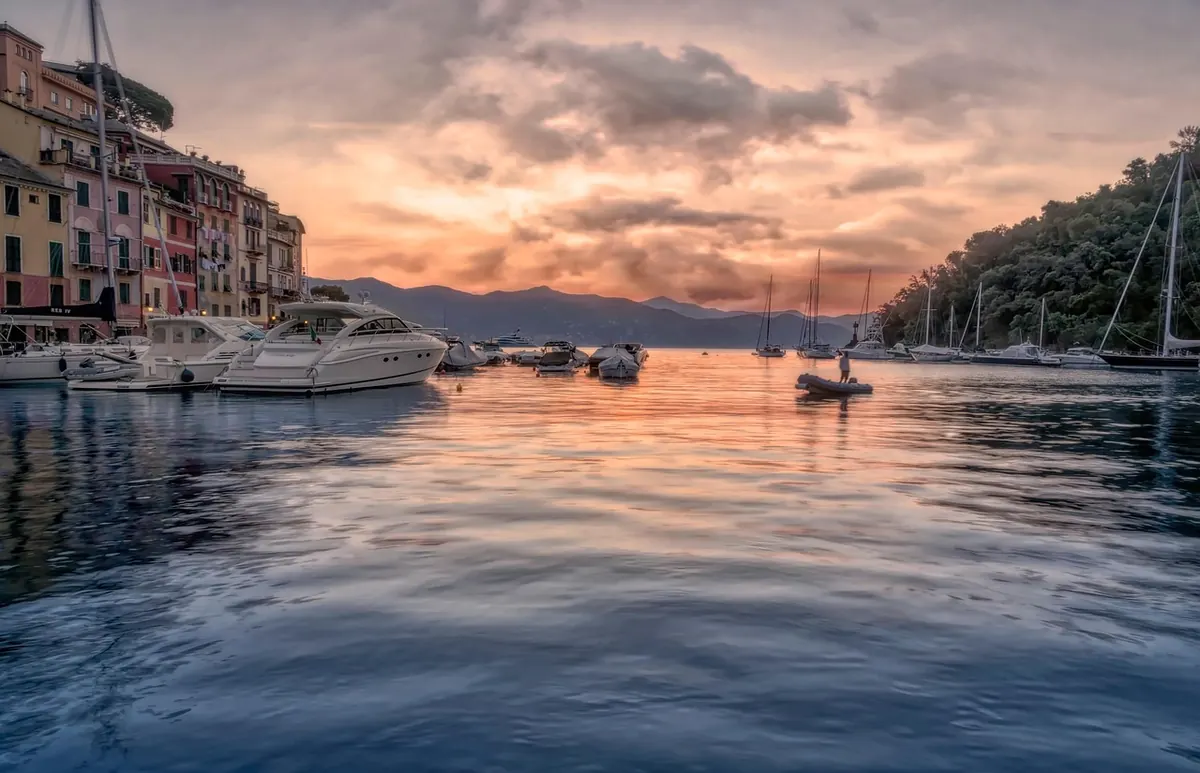
The Italian coast in July is a specific kind of beautiful chaos: warm water, long evenings, and a beach that fills up by half past eight. It is also the most expensive and most crowded version of a place you might love far more in May or October. The question is whether shoulder season gives you enough back in return — and where the trade-offs actually bite.
Here is a straightforward comparison across weather, crowds, costs and opening hours, based on how coastal Italy actually works outside July and August.
On the Italian coast, shoulder season usually means late April to mid-June and September to mid-October. May and September are the two months most people mean when they say it. Easter is a trap: a warm Easter weekend can behave like a busy August bank holiday in the best-known villages, then empty out again by Tuesday.
The edges matter more than the label. Sicily and southern Puglia warm up early and stay swimmable into October. Liguria, the northern Adriatic and the higher parts of the Amalfi Coast cool down faster in autumn. And the sea lags behind the air by weeks: water temperatures typically peak in late August and early September, so the first half of September often gives you the best swim of the year.
Spring gives you mild air, green hills, wildflowers and long lunches outdoors. The sea is the catch — bracing in April, swimmable for many people from late May, pleasant in June. Rain arrives in showers rather than all-day washouts, but it does arrive, and a wet week in Liguria in May is a real possibility.
Autumn is the reverse. September usually delivers warm air and the warmest water of the year; October can be glorious, with the kind of mild, clear spell Italians call an ottobrata. Then the weather turns. From late October, and firmly by November, coastal storms come in — the mareggiata that throws spray over seafront roads and rearranges the sand. November isn't shoulder season in most coastal towns. It's closed season.
Peak summer, by contrast, is reliable and relentless: hot, humid, bright, with heat that builds in towns and little rain relief. If your trip depends on swimming every day, July and August are the safest bet. If you want to walk, eat and sleep well, they're the hardest.
August is the month Italians take their holidays, and Ferragosto on 15 August is the peak of the peak. Beaches fill early, restricted traffic zones and parking rules tighten, and the famous stretches — the Amalfi Coast road, the villages of Cinque Terre, the Salento's best-known coves — become a queue rather than a place.
Outside those weeks the change is dramatic, but not uniform. Weekdays in May and late September can feel almost empty. Weekends stay busy, especially near cities. And a handful of genuinely famous spots stay lively well into October, because visitors come from everywhere, not just Italy. The fix is the same as in summer, only easier: start early, book timed entries and trail passes where they exist, and treat late morning to four o'clock as the hours for swimming or a long lunch rather than sightseeing.
Accommodation is the big one. Outside July and August, rates generally drop and minimum-stay rules loosen — the apartment that only takes Saturday-to-Saturday in August may accept three nights in June. Ferries, parking and car hire tend to be easier and cheaper, and flights cost less outside school holidays.
Two caveats. First, early September can still price like summer in the most popular villages. Second, shoulder season is not a discount across the board: some small hotels close, which reduces supply and keeps the remaining rooms firm. Book early for May and September, and read cancellation terms carefully — a flexible rate is often worth more than a small saving, since spring rain and autumn storms are exactly when plans change. If a booking involves a large deposit or a long rental, check the terms before you commit, and confirm details directly with the property.
This is where shoulder season can genuinely disappoint. Many beach clubs dismantle their facilities after mid-September; exact dates vary by town and year, and free public beaches remain, but the loungers, showers and cafés may be gone. Ferries to smaller islands cut back to reduced timetables, sometimes to a few sailings a week. Family-run hotels and restaurants close for maintenance, often from November to March, but sometimes for a fortnight in October. Rural restaurants may open only at weekends.
Before booking, confirm in writing:
The flip side is real: with fewer visitors, the places that stay open are full of locals, and a Tuesday afternoon in October can feel closer to the Italy you came for than any week in August.
You want to walk, cycle and explore hill towns as much as lie on a beach; you don't mind a rainy day or two; you like green landscapes and long daylight. Late May to mid-June is the sweet spot, especially in Puglia, Sicily and Sardinia, where the sea warms early. In Liguria and the northern Adriatic, plan swimming for June rather than May.
Warm water matters most, or you want the food side of the coast — the grape harvest, olive pressing, game on menus. Aim for the first three weeks of September for swimming, and mid-October for walking and eating. Go earlier in the north, later in the south, and keep at least one flexible day in reserve for a storm.
Ask three questions. Does the trip need daily swimming? Then choose June or September and accept some risk at the edges. Does it need everything open, including boats, beach clubs and that restaurant you read about? Then late June or early September is safer than October. And how much do you mind adjusting plans? If a washed-out day means a long lunch and a museum rather than a ruined holiday, shoulder season will reward you with lower costs, thinner crowds and a coast that feels lived-in rather than staged.
Book the flexible rate, confirm opening dates directly, and pack for one wet day. That is usually the whole difference between a good shoulder-season trip and a frustrating one.
Photo: oreundici / Pixabay